

Veterinary physiotherapy for horses, dogs and cats.
What owners say
“In a few sessions we went from 10 minute walks triggering the limp to now back at off lead 1hr walks with no issue.”
“She has gone from being very sore and stiff to moving freely and enjoying life again.”
“Very calm and professional, particularly patient with nervous horses.”
“The improvement in his muscle tone and jumping at dog agility is amazing.”
“I say she has ‘magic hands’ as after every session, Bryn is comfortable and quite chilled.”
“She has improved his quality of life no end and I cannot thank her enough.”
“She was very sensitive to Sweeney's needs and gradually built up his strength with a selection of exercises.”
“Her walking has improved & she's happier and more comfortable than way before her arthritis diagnosis and subsequent operation.”
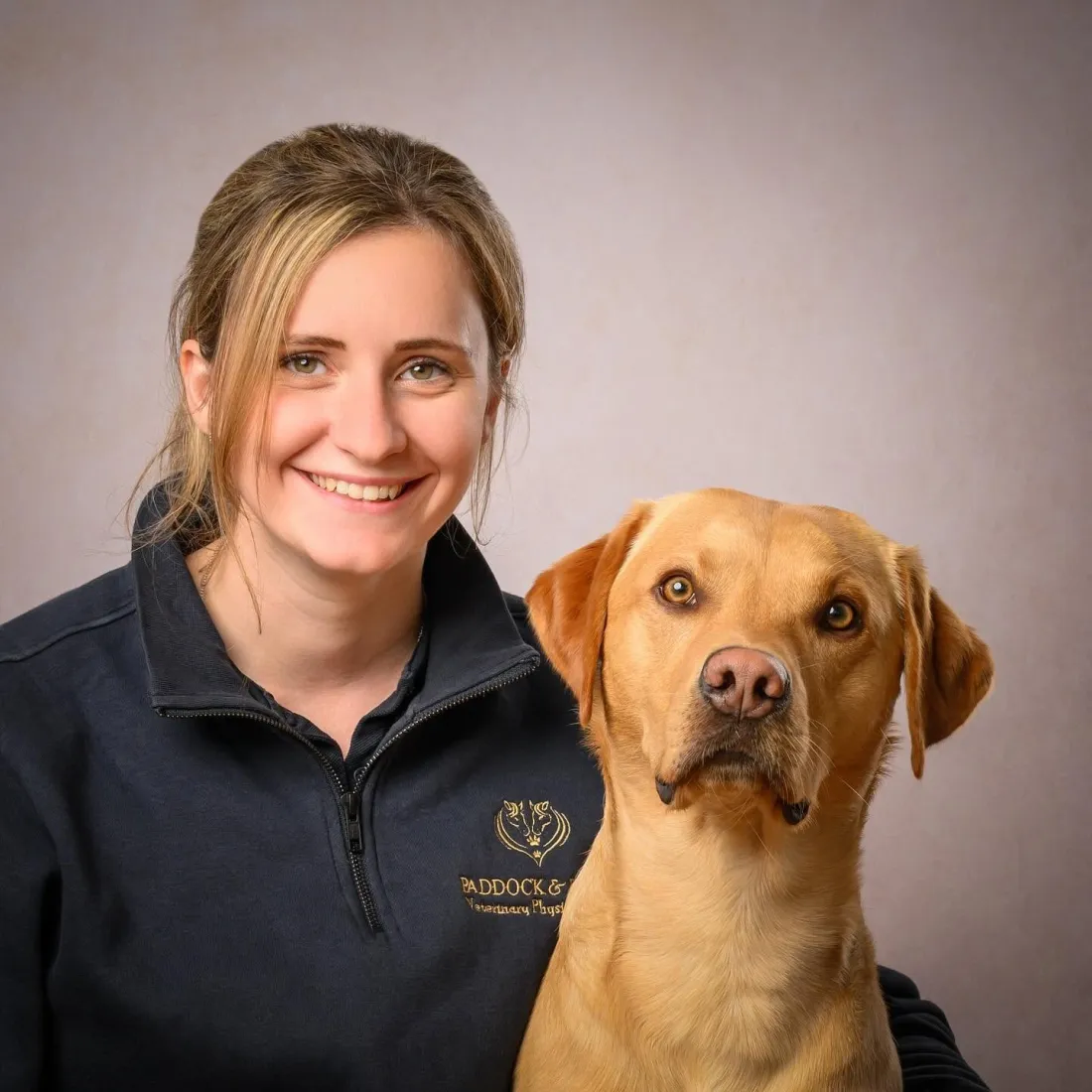
Hi, I’m Laura
Laura Cole BSc (Hons) Veterinary Physiotherapy, MNAVP
Qualified in 2017 with a BSc (Hons) in Veterinary Physiotherapy from Warwickshire College, Moreton Morrell, and a member of the National Association of Veterinary Physiotherapists (NAVP). Now holding appointments in my clinic space at Grateley Business Park whilst seeing horses at their yards.
Horses and dogs have always been my passion and a part of my life. Holding extra BHS qualifications and having worked on competition yards, I understand the demands placed on the horse’s body. Growing up with dogs in my family and now owning two Labradors, I know the importance of ensuring your home environment is as safe and comfortable as possible for your dog’s mobility.
Working with you
You know your animal best, and you’ll often spot the little things first. I’ll explain what I find as I go, show you the exercises until you’re happy with them, and help you know what to look out for between visits.
My own animals
Digby, my Labrador, has hip dysplasia, so I know what it’s like to manage a long-term condition at home. Basil, my young Labrador, has just started his competitive gun dog career.
Peppie, my Hanoverian, has retired after years of hacking and the odd dressage test. Poppy, a cob cross warmblood, is on loan to me and has just started jumping.
How physio can help
- Pain management and improved comfort
- Rehabilitation following surgery or injury
- Improved muscle strength and condition
- Improve mobility, flexibility and joint function
- Improve balance, coordination and proprioception
- Support for older dogs
- Neurological rehabilitation
- Injury prevention and performance
- Improved quality of life
Frequent conditions treated
Joints, muscles and soft tissue
Hip and elbow dysplasia, osteoarthritis, degenerative joint disease, joint instability, patella luxation, muscle and tendon injuries, soft tissue injuries and strains. Cranial cruciate injuries. Muscle atrophy. Post-operative rehabilitation.
Neurological
Intervertebral disc disease (IVDD), degenerative myelopathy, fibrocartilaginous embolism (FCE), paralysis, proprioceptive deficits.
How it works
First, your vet’s OK
By law, your vet needs to agree before I can treat. Add their details when you get in touch, and they’ll sign a referral form before your first visit. You only need to do this once. Maintenance treatments do not need a referral.
Your first visit
Allow up to an hour and a half. We’ll discuss your animal’s history, I’ll observe them in static and dynamic form. After this, palpation of your dog’s muscles and joint range of movement will be assessed. We will also use the stance analyser to observe the weight distribution when your dog is standing.
Exercises for home
I’ll show you some exercises to do between visits, picked for your animal and what you’re working towards.
“After three months the improvement we saw in Pippin was amazing.”
“It was clear she was the right professional to be able to make sure Smudge received the best treatment as part of her rehabilitation.”
“Laura is very knowledgeable and has helped me with the exercises I have to do with her…”
Working with HS Canine Hydrotherapy
Physio and hydrotherapy work really well together, and lots of dogs benefit from both. HS were named Veterinary Rehab Clinic of the Year 2025.
Everything I do is with your vet’s consent, so they always know what treatment your animal is having.
I qualified in 2017 and I’m a member of the National Association of Veterinary Physiotherapists (NAVP).
“Our vet referred us to Laura after our staffy developed a limp that wasn’t responding to strict rest or painkillers. She quickly identified a muscle imbalance and in a few sessions we went from 10 minute walks triggering the limp to now back at off lead 1hr walks with no issue.”